
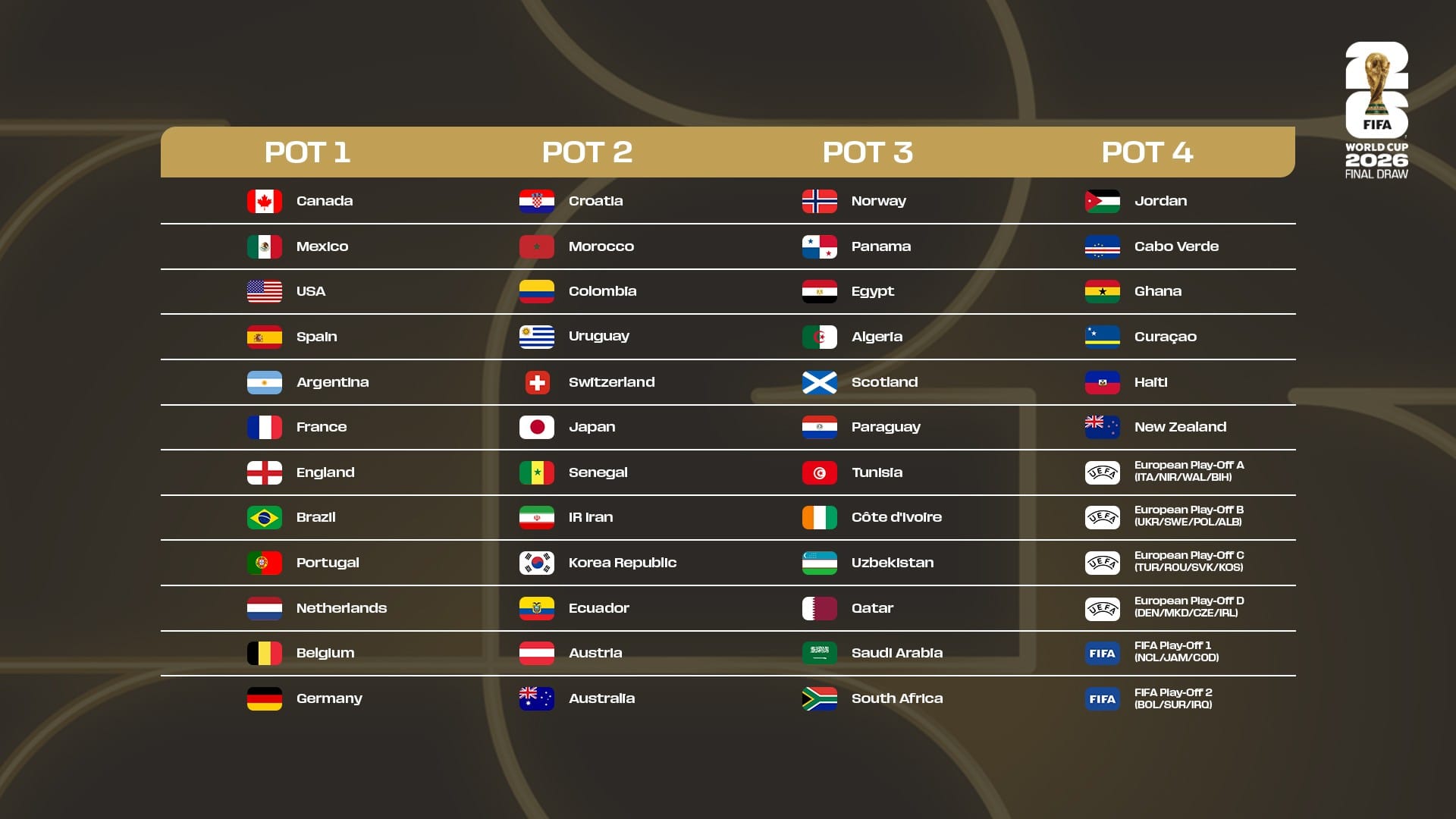
The best way to get ready for the 2026 FIFA World Cup is to simulate World Cup 2026 before it starts. Running through all 104 matches forces you to think about every group, every bracket matchup and every realistic path to the Final. No other pre-tournament activity gives you that kind of depth.
Most fans focus on their own team and a handful of favorites. A full simulation forces you to engage with all 48 nations. By the time you finish a complete run you will know the groups, the bracket structure and the realistic contenders far better than you did before you started.
Build Your Simulation Around a Story
The most interesting simulations have a narrative at the center. Pick a team you believe is underrated and build a simulation around their deep run. Which group result gives them the most favorable bracket draw? Which knockout round opponent is their biggest obstacle?
Following a specific team through a full simulation reveals the bracket bottlenecks that casual predictions miss. You start to understand which matches actually determine the tournament outcome versus which ones are just noise.
You can also build simulations around historical what-if scenarios. What does the 2026 bracket look like if Saudi Arabia pulls off another upset in the group stage? What happens to Group D if the United States loses their first two matches? These scenarios take five minutes to set up and produce surprising bracket outcomes every time.
Share Your Predictions and Track the Results
A completed simulation gives you something concrete to share. A screenshot of your full predicted bracket showing a specific Final matchup sparks real conversation with other fans in a way that vague predictions never do.
Getting More Out of Multiple Simulation Runs
Running the simulator more than once reveals how much the 2026 World Cup bracket depends on specific results going certain ways. A single simulation run produces one plausible outcome. Five or ten runs show the range of outcomes that exist within reasonable prediction parameters. Track how often your predicted champion reaches the Final across multiple runs. If they reach the Final in eight out of ten simulations, that is a high-confidence pick. If they reach it in three out of ten, the prediction is more speculative.
The most useful simulation exercise is the stress test. Take your champion pick and deliberately enter the most difficult possible opponents in each knockout round. If your predicted champion still wins against tougher opposition across multiple simulation runs, the prediction is robust. If the champion only wins the easy bracket draw, the prediction is fragile and should be reconsidered before you lock it in.
The real reward comes during the actual tournament. Compare your simulated bracket to real results as each matchday passes. Every correct group-stage prediction is a small win. Every upset you predicted correctly is a major triumph. And every result you got wrong teaches you something about the teams and the tournament that your next simulation will be better for.