
Parents today rely heavily on smart technology to understand and improve their baby’s sleep. One of the most useful tools in this journey is a baby monitor designed for sleep monitoring.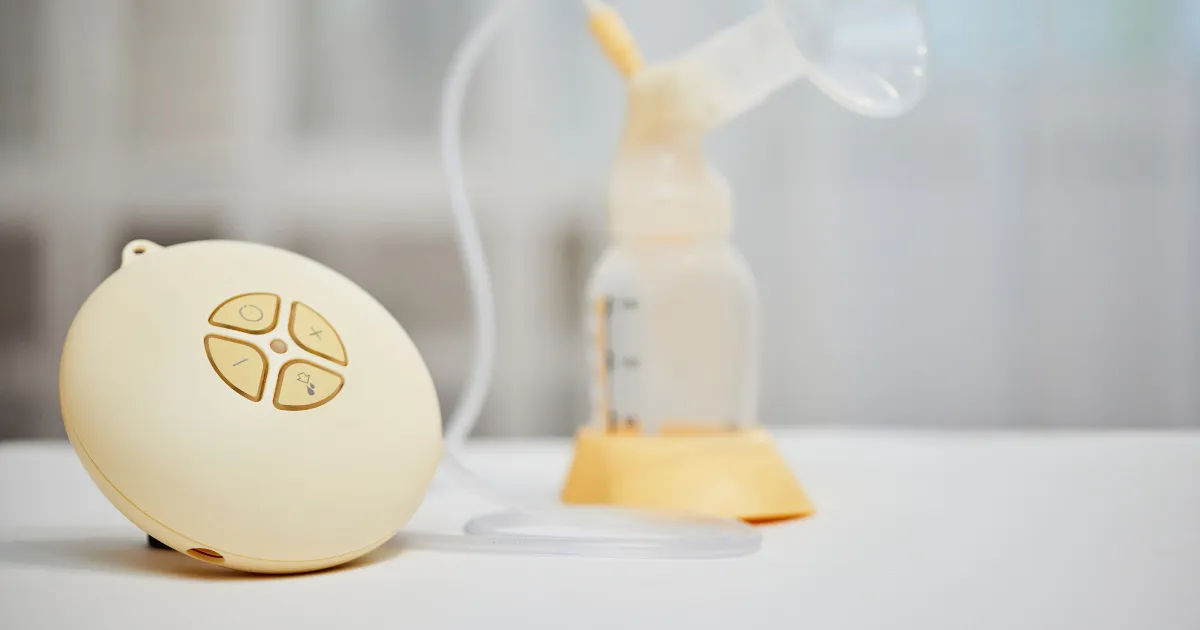
These devices help caregivers track breathing patterns, movements, sound, and even sleep cycles without being physically present in the room at all times.
Modern parenting also involves managing multiple responsibilities at once, from work to household tasks and even personal health routines like using a Spectra S9 Plus Breast Pump. Because of this, baby monitors have become more than just audio devices—they are now intelligent sleep assistants that provide peace of mind and real-time insights into a baby’s rest patterns.
This guide explains how baby monitors support sleep monitoring, how they work, their features, benefits, limitations, and best practices for using them effectively.
Understanding Sleep Monitoring in Baby Monitors
Sleep monitoring refers to the ability of a baby monitor to track and analyze a baby’s sleep behavior. Instead of simply transmitting sound or video, modern devices collect data that helps parents understand:
- How long the baby sleeps
- How often they wake up
- Whether sleep is restful or interrupted
- Breathing and movement patterns
- Environmental conditions like temperature and noise
These insights allow parents to adjust routines and create a healthier sleep environment.
Sleep monitoring is especially helpful during early infancy when sleep cycles are irregular and unpredictable. For parents managing demanding schedules, such as balancing childcare with pumping sessions using a Spectra S9 Plus Breast Pump, having real-time sleep updates reduces stress and improves efficiency.
How Baby Monitors Track Sleep
Baby monitors use different technologies depending on their type and sophistication. Below are the primary methods used to support sleep monitoring.
Audio Monitoring
Audio monitors are the simplest form. They detect sounds like crying, cooing, or movement. While they do not analyze sleep patterns deeply, they help parents know when the baby wakes up or becomes restless.
Video Monitoring
Video monitors include cameras that stream live footage to a parent unit or smartphone. These allow parents to visually assess:
- Sleep posture
- Movement during sleep
- Signs of discomfort
- Sleep interruptions
Some video monitors include night vision for low-light conditions.
Motion and Sensor-Based Monitoring
Advanced monitors use sensors placed under the mattress or attached to clothing. These track:
- Subtle movements
- Breathing rate
- Heart rate (in premium models)
If unusual inactivity or irregular breathing is detected, alerts are sent immediately.
AI-Powered Smart Monitoring
Smart monitors use artificial intelligence to analyze sleep patterns over time. They can:
- Predict sleep cycles
- Identify sleep disturbances
- Provide sleep improvement recommendations
- Track long-term sleep quality trends
These systems are highly valuable for new parents managing tight schedules, especially those multitasking with tools like the Spectra S9 Plus Breast Pump during nighttime routines.
Key Features That Support Sleep Monitoring
Modern baby monitors come with a wide range of features designed specifically for sleep tracking.
Real-Time Alerts
Parents receive instant notifications if:
- The baby wakes up
- Movement is detected
- Crying is heard
- Breathing irregularities occur
This allows immediate response without constant supervision.
Sleep Tracking Analytics
Many smart monitors generate daily or weekly sleep reports that show:
- Total sleep duration
- Number of wake-ups
- Sleep quality score
- Nap patterns
These insights help parents adjust bedtime routines effectively.
Temperature and Humidity Sensors
Sleep quality is strongly affected by room conditions. Monitors track:
- Room temperature
- Humidity levels
- Air quality (in advanced models)
Maintaining optimal conditions helps babies sleep longer and more comfortably.
Two-Way Communication
This feature allows parents to speak to their baby through the monitor. A soothing voice can often calm a restless baby without physically entering the room.
Night Vision
Infrared night vision ensures clear visibility even in complete darkness, allowing parents to monitor sleep without disturbing the baby.
Benefits of Sleep Monitoring Through Baby Monitors
Baby monitors offer several advantages that directly support both infant well-being and parental peace of mind.
Better Sleep Understanding
Parents gain insights into their baby’s natural sleep cycles, helping them build better routines over time.
Reduced Stress for Parents
Knowing that the baby is being monitored allows parents to rest or focus on other responsibilities, including personal health routines like using a Spectra S9 Plus Breast Pump.
Early Detection of Issues
Sleep monitoring can help detect early signs of:
- Sleep apnea
- Fever-related restlessness
- Discomfort due to environment
- Feeding schedule disruptions
Improved Sleep Training
Data from monitors helps parents identify patterns and gradually introduce sleep training techniques based on real behavior rather than guesswork.
Convenience and Flexibility
Parents do not need to constantly check on the baby physically, which is especially helpful during nighttime hours.
Types of Baby Monitors for Sleep Tracking
Different families have different needs, and baby monitors come in various forms.
Basic Audio Monitors
Best for:
- Simple monitoring needs
- Budget-conscious parents
- Small living spaces
Video Monitors
Best for:
- Visual reassurance
- Nighttime supervision
- First-time parents
Wearable Monitors
Best for:
- Tracking breathing and heart rate
- High-risk infants
- Detailed sleep analysis
Smart Wi-Fi Monitors
Best for:
- Remote monitoring via smartphones
- Working parents
- Multi-tasking households
Parents often choose models that align with their lifestyle, especially those balancing infant care with responsibilities such as pumping using a Spectra S9 Plus Breast Pump.
How Baby Monitors Improve Sleep Quality
Baby monitors don’t just observe sleep—they actively help improve it.
Establishing Routine
By analyzing sleep data, parents can identify the best bedtime and nap schedules.
Reducing Nighttime Disturbances
Instant alerts prevent unnecessary room entry, which helps avoid waking the baby.
Optimizing Environment
Temperature and noise sensors help maintain ideal sleep conditions.
Supporting Parental Confidence
When parents trust the monitor, they are less likely to over-check the baby, which reduces household stress.
Safety Considerations in Sleep Monitoring
While baby monitors are helpful, proper use is essential.
Secure Wi-Fi Connection
For smart monitors, ensure:
- Strong password protection
- Encrypted network connection
- Regular firmware updates
Proper Placement
Cameras and sensors should be placed:
- Out of baby’s reach
- At safe distances from crib
- Without loose cords nearby
Avoid Over-Reliance
Baby monitors are support tools, not replacements for parental care. Occasional physical checks are still necessary.
Privacy Protection
Always use trusted brands and avoid unsecured apps that may compromise video or audio feeds.
Limitations of Baby Sleep Monitoring Systems
Despite their benefits, baby monitors have limitations.
False Alerts
Some devices may misinterpret movement or noise, leading to unnecessary alerts.
Technology Dependence
Over-reliance on monitors may reduce parental instinct and direct observation.
Cost Factor
Advanced AI-powered monitors can be expensive.
Connectivity Issues
Wi-Fi-based monitors may experience delays or interruptions.
Even with these limitations, many parents find them valuable, especially when balancing demanding routines that include infant care and personal tasks like using a Spectra S9 Plus Breast Pump.
Best Practices for Using Baby Monitors
To maximize effectiveness, parents should follow these guidelines:
Set Up Correctly
Ensure the device is properly installed according to manufacturer instructions.
Adjust Sensitivity Settings
Customize motion and sound sensitivity to reduce false alarms.
Use Sleep Data Wisely
Analyze trends rather than reacting to every minor change.
Combine with Routine Parenting
Use monitors as a support system, not a replacement for observation.
Maintain Device Health
Regularly update software and check hardware functionality.
The Future of Sleep Monitoring Technology
Baby monitors are evolving rapidly with advancements in AI, machine learning, and wearable technology.
Predictive Sleep Analytics
Future devices may predict when a baby will wake or fall asleep.
Health Integration
Monitors may integrate with pediatric health records for better medical insights.
Advanced Biometrics
Heart rate, oxygen levels, and stress indicators may become standard features.
Smart Home Integration
Baby monitors may connect with:
- Lighting systems
- White noise machines
- Smart thermostats
This creates a fully automated sleep environment.
As parenting technology grows, tools like the Spectra S9 Plus Breast Pump and intelligent baby monitors will continue to support parents in managing both infant care and personal well-being more efficiently.
Conclusion
Baby monitors play a crucial role in modern sleep monitoring by offering real-time insights, alerts, and analytics that help parents understand their baby’s sleep behavior. From simple audio devices to advanced AI-powered systems, these tools provide valuable support in creating a safe and comfortable sleep environment.
They help reduce stress, improve sleep routines, and give parents the confidence to manage daily responsibilities effectively. While they do have limitations, their benefits far outweigh the drawbacks when used correctly.
For many families, especially those balancing multiple responsibilities like infant care and personal routines involving tools such as the Spectra S9 Plus Breast Pump, baby monitors have become an essential part of everyday life.
As technology continues to evolve, sleep monitoring will become even more accurate, predictive, and integrated into daily parenting systems, making it easier to ensure healthier sleep for babies and greater peace of mind for parents.