
When shopping for the Best Glutathione Pills for Skin Whitening, many people focus on promises of brighter skin, fewer dark spots, and a more even complexion. However, the ingredients inside the supplement matter far more than the marketing on the label. Understanding what each ingredient does can help you choose a quality product and set realistic expectations.
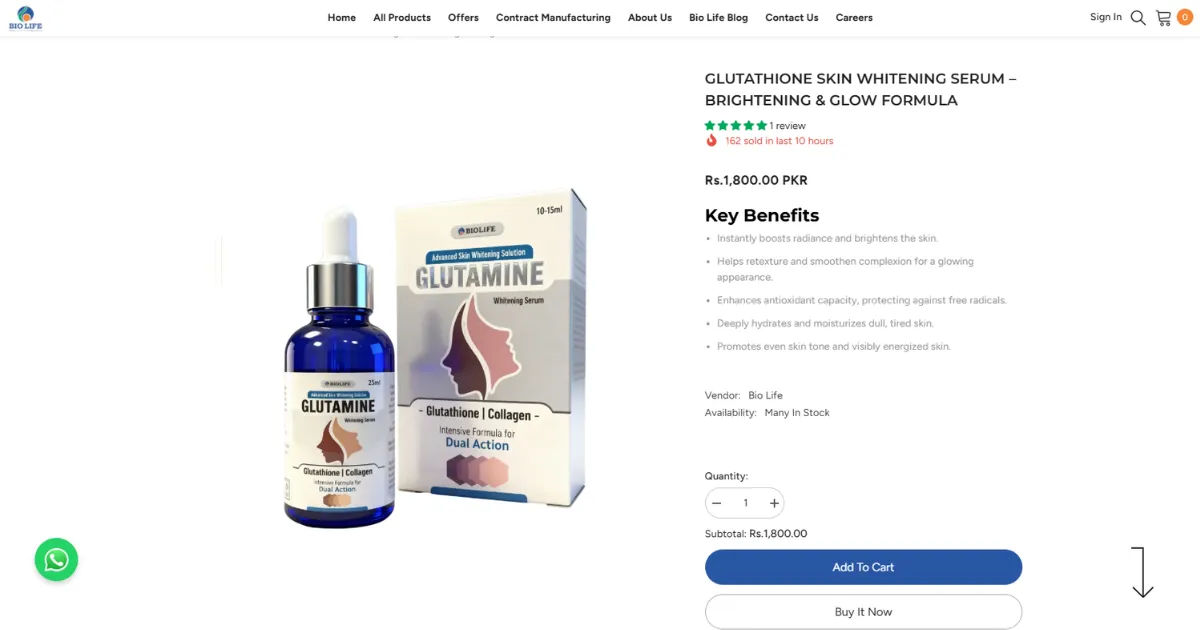
Biolife Collagen Powder for Skin and other skin health supplements vary widely in their formulas. While active ingredients differ by product, many manufacturers combine them with vitamins, antioxidants, plant extracts, and minerals to support overall skin health. Some ingredients have stronger scientific support than others, and understanding what is included in Biolife Collagen Powder for Skin can help you make a more informed decision.
This guide explains the most common ingredients found in glutathione supplements, why manufacturers include them, how they may support skin health, and what to look for before buying.
What Is Glutathione?
Glutathione is a naturally occurring antioxidant produced by the body. It is made from three amino acids:
-
Glutamine
-
Cysteine
-
Glycine
These amino acids work together to create glutathione, which helps protect cells from oxidative stress caused by free radicals. Because oxidative stress contributes to premature aging and uneven skin tone, glutathione has become one of the most popular ingredients in beauty supplements.
The body naturally produces glutathione, but levels can decline due to aging, stress, poor nutrition, illness, pollution, and smoking.
Why Is Glutathione Used for Skin Health?
Glutathione is best known for its antioxidant properties. It helps neutralize free radicals that can damage skin cells and contribute to dullness and signs of aging.
Researchers have also explored glutathione's potential role in influencing melanin production. Melanin is the pigment responsible for skin color. While some studies suggest glutathione may support a brighter, more even-looking complexion in certain individuals, results vary and more high-quality research is needed.
Because of this, the Best Glutathione Pills for Skin Whitening should be viewed as supplements that may support skin health rather than products that guarantee dramatic skin lightening.
Primary Ingredient: Reduced Glutathione
Reduced glutathione is the most common form used in supplements.
This active form is considered biologically available and ready for the body to use. Many premium supplements contain between 250 mg and 1000 mg per serving.
Benefits may include:
-
Antioxidant protection
-
Support for healthy skin
-
Reduction of oxidative stress
-
Support for cellular health
Higher doses are not always better. Product quality, absorption, and consistency matter just as much.
L-Glutathione
Some products simply list L-Glutathione.
This refers to glutathione in its naturally occurring form. Depending on the manufacturer, it may be the same as reduced glutathione or another stabilized version.
Consumers should always read labels carefully to understand exactly which form is included.
Liposomal Glutathione
Newer supplements often use liposomal technology.
In these products, glutathione is enclosed within tiny fat-like particles called liposomes.
Potential advantages include:
-
Improved absorption
-
Better stability
-
Greater protection during digestion
Although promising, research comparing liposomal glutathione with traditional capsules is still developing.
Vitamin C
Vitamin C is one of the most common ingredients paired with glutathione.
Manufacturers include it because it:
-
Supports collagen production
-
Acts as an antioxidant
-
Helps regenerate glutathione
-
Supports healthy skin
Vitamin C also plays an important role in protecting skin from environmental stressors.
Many experts believe Vitamin C works well alongside glutathione as part of an overall skin care routine.
Alpha Lipoic Acid
Alpha Lipoic Acid (ALA) is another powerful antioxidant.
It helps:
-
Protect cells
-
Recycle other antioxidants
-
Support healthy aging
-
Reduce oxidative stress
ALA is often added to premium skin supplements because it complements glutathione's antioxidant activity.
N-Acetyl Cysteine (NAC)
NAC serves as a precursor to glutathione.
Instead of supplying glutathione directly, NAC provides cysteine, one of the amino acids needed to produce glutathione naturally.
Benefits include:
-
Supporting natural glutathione production
-
Promoting antioxidant defenses
-
Supporting overall wellness
Some formulations include both glutathione and NAC.
L-Cysteine
L-Cysteine is another ingredient commonly found in advanced formulas.
Since cysteine is one of glutathione's building blocks, manufacturers may include it to help support the body's own production of glutathione.
Selenium
Selenium is an essential mineral.
It supports enzymes involved in antioxidant defense, including glutathione peroxidase.
Potential benefits include:
-
Supporting antioxidant activity
-
Helping protect cells
-
Supporting immune health
Only small amounts are required, so excessive intake should be avoided.
Zinc
Zinc is another mineral commonly included.
It supports:
-
Healthy skin
-
Wound healing
-
Immune function
-
Normal cell growth
Healthy skin depends on adequate zinc intake, making it a valuable addition to many formulas.
Vitamin E
Vitamin E is a fat-soluble antioxidant.
Its benefits include:
-
Protecting skin cells
-
Supporting skin moisture
-
Fighting oxidative damage
Vitamin E often works alongside Vitamin C and glutathione.
Hyaluronic Acid
Some premium supplements include hyaluronic acid.
Unlike glutathione, its primary purpose is hydration rather than skin brightening.
Benefits include:
-
Supporting skin moisture
-
Improving skin softness
-
Promoting a smoother appearance
Hydrated skin generally looks healthier and more radiant.
Collagen Peptides
Many beauty supplements combine glutathione with collagen.
Collagen supports:
-
Skin elasticity
-
Skin firmness
-
Healthy aging
While collagen does not whiten skin, it may improve overall skin appearance.
Coenzyme Q10
Coenzyme Q10 (CoQ10) is another antioxidant.
Potential benefits include:
-
Supporting energy production
-
Protecting cells
-
Supporting healthy aging
CoQ10 becomes increasingly popular in beauty supplements designed for mature skin.
Milk Thistle Extract
Milk thistle contains silymarin, a plant compound with antioxidant properties.
Manufacturers sometimes include it because glutathione plays an important role in liver function, and milk thistle has traditionally been used to support liver health.
Scientific evidence for skin whitening benefits remains limited.
Grape Seed Extract
Grape seed extract contains powerful antioxidants called proanthocyanidins.
Potential benefits include:
-
Supporting healthy circulation
-
Protecting skin from oxidative damage
-
Supporting collagen
Its antioxidant profile makes it a common addition.
Pine Bark Extract
French maritime pine bark extract is another antioxidant-rich ingredient.
Research suggests it may help support:
-
Skin elasticity
-
Hydration
-
Overall skin appearance
Many premium formulas include it for comprehensive skin support.
Astaxanthin
Astaxanthin is a naturally occurring carotenoid.
It has gained popularity because it:
-
Supports skin hydration
-
Protects against oxidative stress
-
May reduce visible signs of aging
Its antioxidant activity complements glutathione well.
Turmeric Extract
Curcumin, the active compound in turmeric, has antioxidant and anti-inflammatory properties.
Although more research is needed, some supplement manufacturers include turmeric as part of broader skin wellness formulas.
Vitamin B Complex
Several B vitamins may appear in glutathione supplements.
These include:
-
Vitamin B2
-
Vitamin B3
-
Vitamin B6
-
Vitamin B12
-
Folate
These nutrients help support energy metabolism and overall cellular health.
Biotin
Biotin is better known for supporting:
-
Hair
-
Skin
-
Nails
Although it is not directly involved in skin brightening, many beauty supplements include it for cosmetic benefits.
Natural Plant Extracts
Some manufacturers add botanical ingredients such as:
-
Green tea extract
-
Aloe vera
-
Pomegranate extract
-
Licorice root extract
These ingredients provide additional antioxidants and may support overall skin health.
Ingredients That Improve Absorption
High-quality products often include ingredients intended to improve nutrient absorption.
Examples include:
-
Black pepper extract (Piperine)
-
Phospholipids
-
Liposomal delivery systems
Improved absorption may increase the amount of glutathione available to the body.
What Ingredients Should You Avoid?
Not every ingredient improves supplement quality.
Watch for:
-
Excessive artificial colors
-
Large amounts of added sugar
-
Unnecessary fillers
-
Artificial preservatives
-
Proprietary blends without ingredient amounts
Transparent labeling is generally a sign of a trustworthy manufacturer.
How to Read a Supplement Label
Before purchasing any supplement:
Check the Active Ingredients
Look for clearly listed ingredient amounts.
Review the Serving Size
Some products require multiple capsules daily.
Verify Third-Party Testing
Independent testing can help confirm quality and purity.
Look for Manufacturing Standards
Products made in facilities following Good Manufacturing Practices (GMP) often demonstrate better quality control.
Review Expiration Dates
Fresh supplements generally maintain better potency.
Are More Ingredients Better?
Not necessarily.
A shorter ingredient list with well-researched components can be just as effective as a long formula containing dozens of ingredients.
Quality matters more than quantity.
Can Ingredients Alone Guarantee Skin Whitening?
No.
Skin tone is influenced by genetics, hormones, sun exposure, skincare habits, nutrition, and overall health.
While certain ingredients may support brighter-looking skin in some individuals, no supplement can guarantee dramatic or permanent skin whitening.
Managing expectations is important.
Supporting Healthy Skin Beyond Supplements
Supplements work best when combined with healthy habits.
Helpful practices include:
-
Wearing sunscreen daily
-
Eating fruits and vegetables
-
Staying hydrated
-
Sleeping 7–9 hours
-
Avoiding smoking
-
Managing stress
-
Following a consistent skincare routine
These habits support healthier skin regardless of supplement use.
Frequently Asked Questions
Is glutathione safe?
For many healthy adults, glutathione supplements are generally well tolerated when used as directed. However, people with medical conditions, those who are pregnant or breastfeeding, or anyone taking medications should consult a healthcare professional before starting any supplement.
How long does it take to notice results?
Results vary widely. Some people report changes after several weeks, while others notice little or no visible difference. Factors such as dosage, consistency, genetics, sun exposure, and overall health all play a role.
Can I take glutathione with Vitamin C?
Many formulas intentionally combine these ingredients because Vitamin C supports antioxidant activity. Always follow the dosage instructions on the product label and consult a healthcare provider if you have concerns.
Are natural ingredients always better?
Not necessarily. Natural ingredients can still cause allergies or interact with medications. The quality, purity, and evidence supporting an ingredient are more important than whether it is natural or synthetic.
Conclusion
Choosing the Best Glutathione Pills for Skin Whitening involves more than looking at the front of the bottle. The ingredient list provides valuable insight into the product's quality, purpose, and potential benefits. Reduced glutathione remains the primary ingredient, but supportive nutrients such as Vitamin C, Alpha Lipoic Acid, Selenium, Zinc, Vitamin E, Collagen, Hyaluronic Acid, CoQ10, and antioxidant-rich plant extracts may complement its role in supporting overall skin health.
No supplement should be viewed as a miracle solution for changing skin tone. Individual responses vary, and scientific research on glutathione's effects on skin whitening continues to evolve. The best approach combines a high-quality supplement, realistic expectations, sun protection, balanced nutrition, hydration, and a consistent skincare routine. Before adding any new supplement to your daily regimen, consult a qualified healthcare professional, especially if you have underlying health conditions or take prescription medications.