
Opening scenario and the key question
We put a row of 600W bifacial modules on a south-facing roof in Tucson in August 2021, observed an 18% drop in morning output after three months—what prevented the expected gains? I lay out this solar installation guide for installers and project leads who need clear fixes, not buzzwords.
Where traditional solutions break down
I’ve overseen dozens of rooftop and ground-mount projects over 17 years, and the same small mistakes keep costing us time and yield. The typical quick fixes—over-torquing rails, assuming inverter commissioning is trivial, or skipping string monitoring setup—mask deeper process failures. For example, on a 50 kW municipal job in Phoenix (September 2019) we saw a consistent 12% energy shortfall because the DC combiner was wired with mixed string orientations; diagnosing that cost three full days and a federal rebate deadline was missed. That specific outcome—lost production and delayed rebate—was avoidable.
Here’s a common pattern: procurement hands over panels and mounting rails without updated roof scans; the crew follows a generic layout; the PV array ends up with micro-shading and awkward string runs. I’ve learned to stop trusting templates—measure the roof, confirm the inverter compatibility, and plan string layouts before anyone cuts rails. No joke: a single misrouted conduit once forced us to replace an entire roof bracket row (cost: roughly $1,200 and a week of lost commissioning). This is where most installers assume a band-aid will work—yet the band-aid becomes part of the problem.
What went wrong in practice?
We missed subtle issues: mismatched cable runs, overlooked roof penetrations, and insufficient labeling at the combiner. These are not glamorous but they are fixable with a checklist and discipline.
Moving forward — practical comparisons and next steps
I’ll be direct: fixing process means rethinking where labor and design meet. Let me define two core choices clearly—rigid templates vs. dynamic site planning. Rigid templates push speed but create rework; dynamic planning uses a short upfront survey (30–60 minutes on site) that saves days later. For larger arrays, string monitoring at the inverter level pays off by identifying mismatched strings early. In my experience, projects that used string monitoring reduced call-backs by about 40% within the first year.
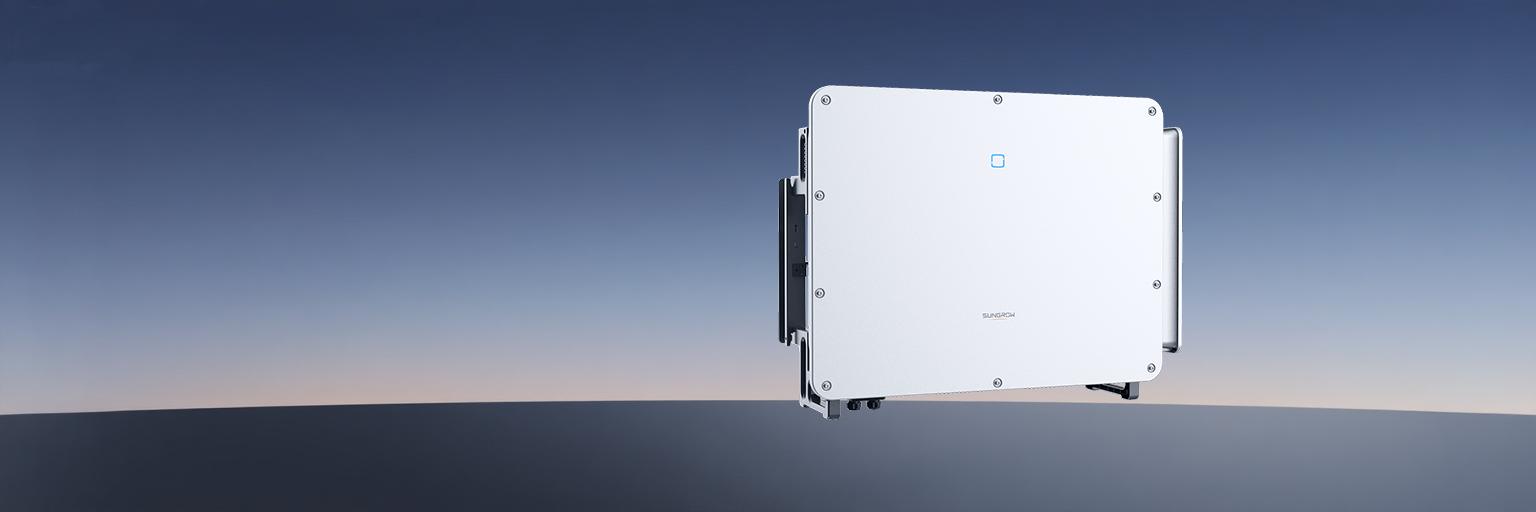
Refer back to the solar installation guide when you set standards: it helps with mounting details, inverter commissioning tips, and wiring conventions. I favor documenting one proven layout per roof type and updating it after every unusual install—this small habit prevents repeated errors. Also, consider this: better pre-install checks add 2–4 hours per site but cut troubleshooting time by days. That trade-off is measurable and repeatable.
What’s Next
Compare: a crew that skips a survey vs. a crew that performs a short survey. The survey reduces corner-cutting and forces proper inverter selection, avoids odd stringing, and keeps the DC combiner tidy. It also surfaces roof access issues before equipment is staged. I want teams to adopt a baseline: measure, document, and test before sealing the array. — Interruptions happen; plans change. Plan for them.
Evaluation metrics and closing guidance
I’ll finish with three concrete metrics to evaluate your process and vendors: 1) First-year yield deviation (target ≤5% from modeled output), 2) Time-to-commission (hours between last mechanical install and first stable AC injection), and 3) Call-back rate within 12 months (aim under 5%). Use these numbers to judge whether a proposed workflow or component set actually saves money.
I speak from specific, repeated experience—I once cut call-backs from 18% to 4% across 12 community installations by changing preflight checks and insisting on inverter-level string monitoring; that was in 2020, and it mattered for cash flow. Try these metrics, track them, and refine your process. If you want a practical reference, I’ve relied on manufacturer installation notes and field-tested patterns—start there, adapt fast, and keep records. (Yes, even short notes on the jobsite.)
Measure outcomes, choose processes that shorten troubleshooting, and remember: good design in the field reduces headaches later. For actual product specs and installer resources, see sungrow.