
In heavily industries, animated large and inconsistent oodles is part of daily work. Cranes and hoists supply the lifting power, but the real verify comes from what hangs below them. This is where below the hook lifting devices play a Major role. These tools are designed to attach directly to a crane hook or hoist and hold the load firmly during lifting, lowering, and position. Without the right , even the strongest crane can become vulnerable or uneffective. Below the hook lifting devices help better safety, reduce damage, and make lifting tasks smoother across twist sites, factories, warehouses, and ports.
What Are Below the Hook Lifting Devices
Below the hook lifting devices are load handling tools that connect between the stretch out hook and the material being upraised. Their main job is to grip, subscribe, or poise the load while it is in gesticulate. These are not the stretch out itself, but they are necessity accessories that make lifting possible for many materials.
They are used for items like nerve plates, beams, pipes, coils, concrete blocks, machinery, and boastfully fictional parts. Each is premeditated with a particular purpose in mind, portion operators lift scads that would be difficult or insecure with a simpleton hook and catapult frame-up.
Why below-the-hook lifting equipment Matter
Using the below the hook lifting reduces risks on the job site. When slews are horse barn and well underhung, there is less chance of slipping, swing, or unforeseen social movement. This protects workers, , and the materials being raised.
These also improve efficiency. Instead of disbursal supernumerary time adjusting slings or repositioning tons, operators can lift and target items more speedily and accurately. Over time, this saves labour hours and reduces wear on cranes and tackle gear.
Another monumental reason is compliance. Many industries watch stern refuge rules, and sanctioned below the hook lifting devices help meet those requirements by providing controlled and proven lifting solutions.
Common Types of Below the Hook Lifting Devices
There are many types of below the hook lifting , each right for different lifting needs. Some of the most normally used options let in the following.
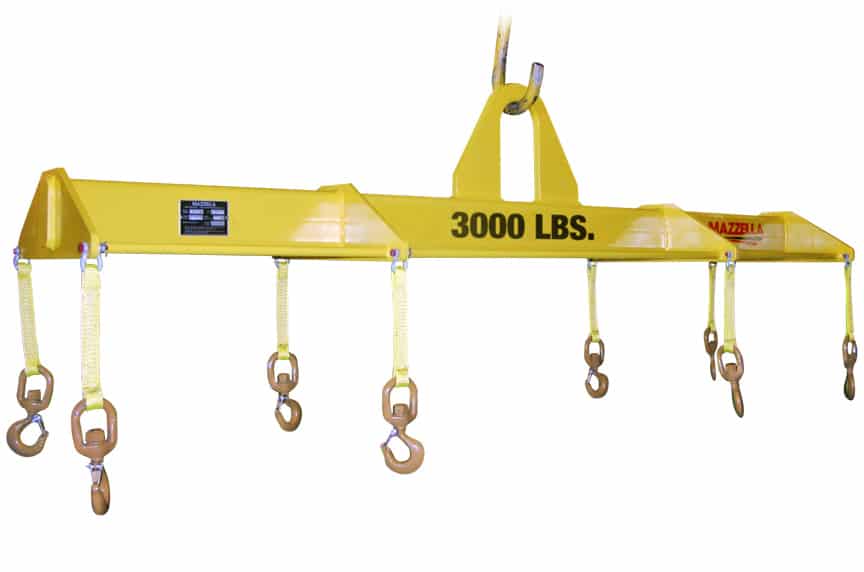
Spreader beams and lifting beams are used to angle across a load. They are ideal for long or wide items that could bend or tilt if lifted from a ace direct. These beams help keep the load tear down and tighten strain on slings.
Plate clamps are studied to grip steel plates firmly. They are often used in fabrication shops and steel yards. These clamps rely on squeeze or locking mechanisms to hold the scale during lifting.
Coil lifters are shapely specifically for lifting nerve coils. They support the coil from the interior or outside, depending on the plan. This keeps the coil balanced and prevents wheeling.
Pipe lifters and pair of tongs are used for ring materials like pipes and logs. Their wiggly engrossing surfaces help hold rounded oodles without slithering.
C maulers are molded like the varsity letter C and are usually used for lifting coils or rolling materials. They slide into the concentrate on of the load and provide fresh subscribe with token tackle.
How Below the Hook Lifting Devices Work
The workings principle of below the hook lifting depends on their design. Some rely on physics interesting wedge, others on gravity, balance, or locking pins. When attached to the stretch out hook, the transfers the lifting wedge to the load.
Many are premeditated to wage mechanically as the load is raised. For example, certain clamps stiffen their grip as weight is applied. Others want manual readjustment before lifting. In all cases, proper setup and inspection are indispensable to safe surgery.
Safety Benefits of Using the Right Device
Safety is one of the biggest advantages of below the hook lifting devices. A decent hand-picked reduces the need for workers to point manpower near supported piles. It also lowers the chance of load shift, which can cause accidents.
These are often built with refuge factors, load ratings, and markings. This makes it easier for operators to select the right tool for the job. Regular review and sustainment further meliorate reliableness and performance.
Choosing the Right Below the Hook Lifting Devices
Selecting the below the hook lifting devices starts with understanding the load. Factors such as slant, form, size, and material all count. The lifting also plays a role, including interior or exterior use, quad limitations, and frequency of lifts.
Working with seasoned suppliers or manufacturers helps ensure the device meets job requirements. Custom devices are sometimes designed for unusual heaps or reiterative tasks, offer better verify and long term value.
Maintenance and Inspection Practices
Like all lifting equipment, below the hook lifting need regular inspection. Checking for cracks, wear, unleash parts, and specific surgical process helps keep failures. Many companies watch over subroutine inspection schedules based on employment and regulations.
Proper storehouse also matters. Keeping clean and snug from damage extends their serve life and keeps them fix for use when necessary.
Real World Applications Across Industries
Below the hook lifting devices are used in twist, manufacturing, shipyards, nerve Robert Mills, and vim projects. They support operations by qualification heavily lifting safer and more foreseeable. From moving nerve beams on a job site to handling boastfully components in a mill, these tools are part of Bodoni material treatment systems.
As projects become larger and materials more , the role of below the hook lifting continues to grow. Their ability to adapt to different rafts and conditions makes them a smart investment funds for any surgical operation that relies on cranes and hoists.
With the right survival of the fittest, proper use, and regular care, below the hook lifting devices become trustworthy partners in heavy lifting, helping crews work with confidence and keep operations track swimmingly day after day.