
Choosing the right nurse for a loved one is one of the most important decisions a family can make. When someone needs medical attention, personal care, or support during recovery, having a qualified professional at home can make daily life safer and more comfortable. However, selecting a nurse requires more than simply finding someone who is available. Families must consider professional qualifications, practical experience, communication skills, reliability, and the patient's individual needs.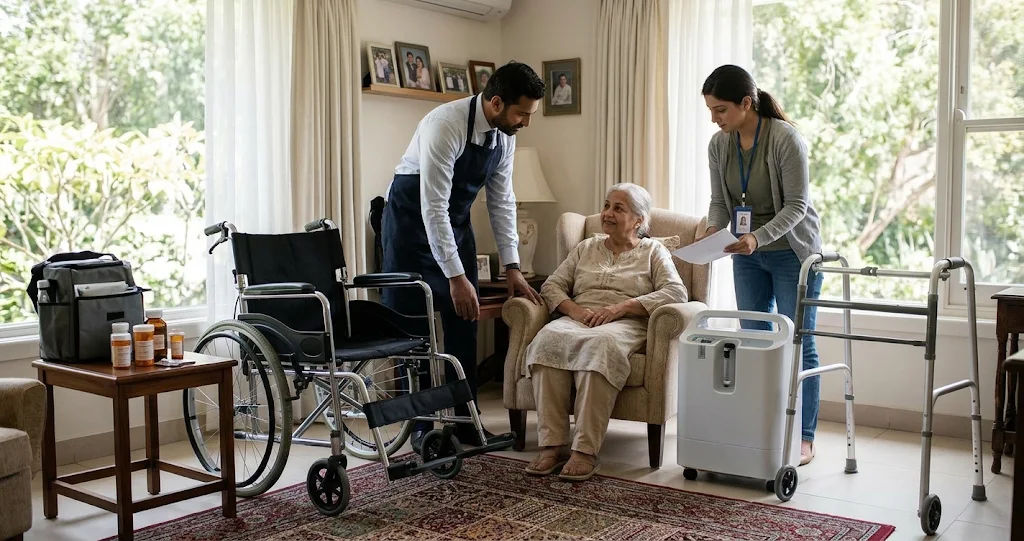
Home Nursing Services offer professional healthcare support in a familiar home environment. Nurses may assist elderly individuals, patients recovering from surgery, people managing chronic conditions, and those who require regular medical supervision. Since every patient has different requirements, choosing the right nurse helps ensure that care remains safe, consistent, and appropriate.
The selection process should focus on finding someone who combines medical knowledge with patience, compassion, and professionalism. A suitable nurse should understand the patient's condition, follow healthcare instructions, respect family preferences, and respond appropriately when unexpected situations arise. Taking time to evaluate these qualities can help families make a confident and informed decision.
The Patient's Healthcare Requirements
Before selecting a nurse, families should understand the patient's medical condition and the type of assistance required. Different health conditions demand different levels of nursing knowledge and experience.
For example, an elderly person who needs help with daily activities may require a different professional than someone recovering from major surgery. Similarly, patients who need wound dressing, medication administration, injections, or monitoring may require specialized nursing skills.
Identify the Type of Care Needed
Start by making a list of the patient's healthcare requirements. Consider whether the person needs:
-
Assistance with bathing, dressing, and personal hygiene.
-
Medication administration and management.
-
Monitoring of blood pressure, temperature, and other vital signs.
-
Wound cleaning and dressing changes.
-
Support with mobility and physical recovery.
-
Assistance with feeding and nutritional routines.
-
Postoperative monitoring and recovery support.
-
Long-term care for chronic medical conditions.
This information makes it easier to identify the appropriate nursing professional.
Consider the Level of Medical Supervision
Home Nursing Services need occasional nursing visits, while others require continuous supervision. Families should determine whether they need a nurse for a few hours, overnight care, or a full-time arrangement.
The patient's doctor can help establish the appropriate level of support. This prevents families from selecting a nurse whose qualifications or availability do not match the patient's medical needs.
Check Professional Qualifications and Certifications
Professional qualifications should be among the first things families evaluate. A nurse must have appropriate education and training to perform healthcare responsibilities safely.
Depending on the country and the type of care required, nursing professionals may hold different qualifications, such as registered nurse credentials, practical nursing qualifications, or other recognized healthcare certifications.
Verify Nursing Education
Ask candidates about their educational background and nursing training. Find out which institution they attended, what qualification they earned, and whether their education included practical clinical experience.
A recognized nursing qualification demonstrates that the individual has received formal education in healthcare principles, patient safety, and clinical procedures.
Families should also check whether the candidate has the necessary registration or licensing required by local regulations.
Confirm Relevant Certifications
Some nursing responsibilities require additional training. For instance, a nurse providing specialized wound care, intravenous therapy, or postoperative support should have appropriate clinical preparation.
Ask for evidence of relevant certifications where applicable.
Do not assume that someone can perform every medical procedure simply because they have previous experience working in healthcare. Qualifications must match the responsibilities involved.
Evaluate Previous Nursing Experience
Experience is another important factor when choosing a suitable professional. A nurse who has worked with similar patients may understand their challenges and provide more confident support.
However, general experience is not always enough. Families should look for experience that relates directly to the patient's medical condition.
Look for Condition-Specific Experience
If the patient has diabetes, neurological difficulties, mobility limitations, or a surgical recovery requirement, ask whether the nurse has previously supported people with similar needs.
For example, a nurse experienced in elderly care may understand the importance of preventing falls, recognizing changes in behavior, and supporting daily routines.
Similarly, someone experienced in postoperative care may be more familiar with wound monitoring, infection prevention, and recovery instructions.
Ask About Previous Responsibilities
During the selection process, ask candidates to explain their previous duties.
Useful questions include:
-
What types of patients have you cared for?
-
How long have you worked as a nurse?
-
Have you handled similar medical conditions?
-
What clinical procedures are you trained to perform?
-
How do you respond when a patient's condition changes?
Their answers can help families understand whether their experience is suitable.
Assess Communication and Interpersonal Skills
Medical knowledge is essential, but communication is equally important. Nurses regularly interact with patients, family members, doctors, and other healthcare professionals.
A good nurse should explain medical instructions clearly, listen carefully, and communicate concerns without creating unnecessary confusion.
Choose Someone Who Listens Carefully
Patients may feel uncomfortable discussing certain health concerns. They may also struggle to explain pain, discomfort, or emotional difficulties.
A compassionate nurse should listen patiently and pay attention to verbal and nonverbal signs.
During an interview, observe whether the candidate allows others to speak, answers questions respectfully, and demonstrates genuine interest in understanding the patient's needs.
Evaluate Language and Explanation Skills
The nurse should communicate in a language the patient and family can comfortably understand.
This is especially important when explaining medication schedules, treatment instructions, dietary requirements, and changes in health conditions.
Clear communication reduces misunderstandings and helps families remain informed about the patient's progress.
Evaluate Compassion, Patience, and Professional Attitude
Nursing is not limited to medical procedures. It also involves providing emotional support and treating patients with dignity.
People receiving care at home may feel anxious, frustrated, dependent, or isolated. A nurse's attitude can significantly influence their daily experience.
Look for Empathy and Respect
A suitable nurse should understand that every patient has personal preferences, feelings, and boundaries.
They should provide assistance without making the patient feel embarrassed or helpless.
For elderly individuals, people with disabilities, and patients recovering from serious illnesses, respectful treatment is particularly important.
Observe Patience During Difficult Situations
Some patients may require repeated explanations or additional time to complete ordinary activities.
A professional nurse should remain calm rather than becoming impatient.
During an interview, ask how the candidate handles patients who refuse medication, become anxious, or experience mood changes.
Their response can reveal how they approach challenging situations.
Conduct a Proper Background Check
Trust is essential when allowing a healthcare professional into your home. Families should take reasonable steps to verify the candidate's identity, employment history, and professional background.
A background check helps reduce potential risks and supports a safer working relationship.
Verify Identity and Employment History
Request appropriate identification and confirm previous employment details where possible.
Ask for information about previous healthcare employers, hospitals, clinics, or home-care organizations.
Check whether the candidate's employment history is consistent with the experience they describe.
Contact Professional References
References can provide useful information about a nurse's reliability, communication, and professional behavior.
Whenever possible, speak with previous employers or supervisors who can comment on the candidate's work.
Ask whether the nurse arrived on time, followed medical instructions, respected patients, and handled responsibilities appropriately.
Avoid relying entirely on verbal claims without independent verification.
Evaluate Clinical Skills and Practical Knowledge
A nurse may have excellent qualifications but still need practical competence to perform specific duties.
Families should establish whether the candidate has the skills necessary for the patient's care plan.
Review Important Nursing Procedures
Depending on the patient's condition, relevant clinical abilities may include:
-
Checking and recording vital signs.
-
Following prescribed medication schedules.
-
Maintaining hygiene and infection-control practices.
-
Performing approved wound dressing procedures.
-
Supporting safe patient movement.
-
Recognizing signs of dehydration or infection.
-
Maintaining accurate patient-care records.
-
Responding appropriately to medical emergencies.
The nurse should only perform procedures within their professional scope of practice and training.
Understand Emergency Response Skills
Emergencies can happen unexpectedly, even when patients receive regular medical supervision.
Ask candidates how they respond to breathing difficulties, sudden weakness, falls, severe allergic reactions, or changes in consciousness.
A suitable nurse should understand when immediate emergency assistance is required and know how to contact emergency services.
Current first-aid and CPR training may also be important, depending on the patient's needs.
Select a Nurse Through a Reputable Healthcare Provider
Families can recruit nurses independently or contact a professional healthcare agency.
Both options have advantages, but the selection process should remain thorough.
Benefits of Professional Nursing Agencies
Reputable agencies may provide access to nurses whose qualifications, experience, and references have already been reviewed.
They may also help families arrange replacement staff, coordinate schedules, and communicate with healthcare professionals.
However, families should not assume that every agency follows the same standards.
Ask about recruitment procedures, qualification verification, supervision arrangements, and complaint-handling policies before making a decision.
Ask About Nurse Replacement Arrangements
Unexpected situations can affect a nurse's availability. Illness, emergencies, or personal circumstances may create gaps in care.
Before hiring through an agency, find out whether another qualified professional can provide temporary coverage.
Continuity is especially important for patients who require regular medication administration or close medical monitoring.
Conduct a Face-to-Face Interview
An interview gives families an opportunity to evaluate the nurse's personality, experience, communication, and understanding of the patient's needs.
It also allows the candidate to understand the home environment and expected responsibilities.
Ask Relevant Interview Questions
Prepare questions that focus on practical nursing responsibilities.
For example:
-
What nursing experience do you have?
-
Have you cared for patients with similar medical conditions?
-
How do you maintain patient privacy?
-
What would you do if a patient suddenly developed a fever?
-
How do you communicate concerns to family members?
-
Are you comfortable following a doctor's written care plan?
-
How do you maintain accurate nursing records?
Pay attention to how clearly and confidently the candidate answers.
A good nurse should be willing to explain their approach without exaggerating their abilities.
Introduce the Nurse to the Patient
The patient's comfort should influence the final decision.
If possible, arrange a meeting before beginning regular care. Observe whether the nurse communicates respectfully and makes the patient feel comfortable.
A professional relationship should develop through mutual respect, patience, and trust.
Check Availability, Reliability, and Scheduling
Even a highly qualified nurse may not be suitable if their working hours do not match the patient's requirements.
Families should discuss availability before finalizing an arrangement.
Confirm Working Hours
Clarify whether the nurse will provide daytime, nighttime, part-time, or full-time care.
Discuss arrival times, expected working hours, weekly schedules, and rest periods.
If the patient needs continuous supervision, establish how shifts will be organized to avoid gaps in care.
Discuss Punctuality and Attendance
Reliability is particularly important when medication, feeding, wound care, and medical monitoring follow strict schedules.
Ask how the nurse communicates delays or unexpected absences.
Professional nurses should understand the importance of punctuality and maintaining consistent patient care.
Discuss Fees and Employment Arrangements
Financial considerations should also be evaluated before hiring a nurse.
The cost of nursing support may depend on qualifications, experience, working hours, medical responsibilities, and the level of supervision required.
Understand the Complete Cost
Ask for a clear explanation of all charges.
Depending on the arrangement, costs may include:
-
Hourly or daily nursing fees.
-
Overnight or extended-shift charges.
-
Specialized nursing procedures.
-
Agency service fees.
-
Transportation expenses.
-
Replacement or emergency coverage arrangements.
Request a written breakdown to avoid unexpected expenses.
Establish Clear Employment Terms
Discuss responsibilities, working hours, payment schedules, leave arrangements, and termination conditions.
If hiring through an agency, review the service agreement carefully.
A written agreement protects both the family and the nurse by establishing clear expectations.
Prioritize Patient Safety and Privacy
A nurse working inside a patient's home must respect confidentiality and maintain professional boundaries.
Families should discuss privacy expectations before care begins.
Protect Personal and Medical Information
Medical records, medication details, and personal conversations should remain confidential.
The nurse should only share patient information with authorized family members and healthcare professionals involved in treatment.
Ask how medical documents will be stored and how patient information will be communicated.
Maintain a Safe Home Environment
Families should prepare a clean and organized space for nursing activities.
Keep prescribed medications, medical equipment, emergency contacts, and relevant instructions accessible.
The nurse should also follow infection-control procedures, use appropriate protective equipment, and maintain proper hygiene.
Monitor Performance After Hiring
Selecting a nurse is not the end of the process. Families should regularly evaluate whether the arrangement continues to meet the patient's needs.
Consistent monitoring helps identify problems early and encourages better communication.
Review Patient Progress
Observe whether the nurse follows the agreed care plan and completes assigned responsibilities.
Review medication records, vital signs, wound observations, and other relevant documentation.
Changes in the patient's condition should be communicated to the responsible healthcare professional.
Request Feedback From the Patient
Whenever possible, ask the patient how they feel about the nursing arrangement.
Find out whether the nurse is respectful, attentive, punctual, and comfortable to work with.
Patients should have an opportunity to express concerns without feeling pressured.
Arrange Regular Family Discussions
Family members should communicate with the nurse regularly to discuss progress, challenges, and changing requirements.
If the patient's condition improves or becomes more complicated, the care arrangement may need adjustment.
The nurse should also understand when a medical concern requires professional evaluation rather than independent decision-making.
Common Mistakes to Avoid When Selecting a Nurse
Families sometimes make hiring decisions too quickly, particularly when a patient needs immediate assistance.
However, overlooking important details can create avoidable problems.
Some common mistakes include:
-
Choosing a nurse based only on the lowest fee.
-
Ignoring professional qualifications.
-
Failing to verify previous employment.
-
Assuming general experience guarantees specialized skills.
-
Not discussing working hours in advance.
-
Overlooking communication and interpersonal abilities.
-
Failing to establish clear responsibilities.
-
Neglecting patient preferences and comfort.
-
Not reviewing performance after hiring.
Avoiding these mistakes can make the selection process more reliable and help families establish a better long-term care arrangement.
Conclusion
Selecting the right nurse requires careful consideration of professional qualifications, clinical experience, personal qualities, reliability, and the specific healthcare needs of the patient. Families should avoid making decisions based solely on availability or cost. Instead, they should follow a structured process that prioritizes medical competence, patient safety, and respectful treatment.
Home Nursing Services can provide valuable support for individuals who need medical attention and assistance in their own homes. However, the quality of that support depends greatly on the professional responsible for delivering it. Verifying nursing credentials, checking employment references, assessing practical skills, and conducting a detailed interview are essential steps toward making an informed choice.
Families should also consider communication, compassion, punctuality, and the nurse's ability to follow medical instructions. These qualities help create a comfortable environment in which patients feel respected and supported. Discussing schedules, fees, privacy expectations, and emergency arrangements before hiring can prevent misunderstandings later.
After selecting a nurse, families should continue monitoring the quality of care and maintaining regular communication. Patient feedback, accurate medical records, and cooperation with doctors help ensure that the nursing arrangement remains appropriate as healthcare needs change.
Ultimately, the best nurse is not necessarily the person with the longest experience or the lowest fees. It is the qualified professional who understands the patient's needs, demonstrates genuine compassion, respects medical boundaries, and consistently delivers safe and dependable care. By taking time to evaluate these factors, families can make a confident decision and create a supportive home environment that promotes comfort, dignity, and better healthcare outcomes.