
A Brief Journey into the World of Insert Molding
Imagine a bustling factory floor—the rhythmic hum of machines, the occasional burst of conversation—it’s all part of a day in manufacturing. Over the years, I have observed the transformational shifts in production techniques, particularly through insert molding. This innovative method allows for the integration of various components—like metal parts—into a single molded piece, significantly reducing production time and costs. Yet, even with the evolution of this process, one can question: are we truly maximizing its potential?
What Challenges Persist in Insert Molding?
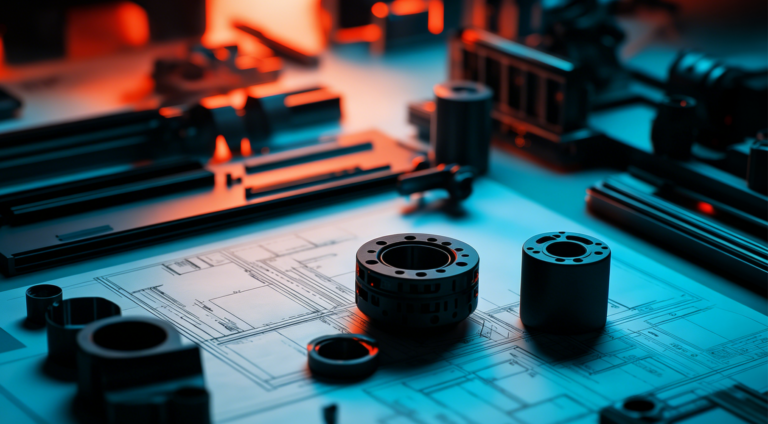
Diving deeper, I can’t help but reflect on the latent challenges that still plague manufacturers today. First, consider the issue of tolerances; the precision required in insert molding is paramount. When I worked with an automotive parts manufacturer in Detroit in 2010, we struggled with maintaining tight tolerances on complex assemblies. The end result was costly reworks and delays, illustrating how traditional methods often fall short when combined with advanced techniques.
Can Automation Bridge the Gap?
As we look ahead, I find myself pondering whether automation could alleviate many of these pain points. Utilizing advanced technology—like robotics—might streamline processes, especially in the context of insert molding manufacturers looking to enhance their production efficiency. Much of this technology exists, yet the integration into existing systems remains a daunting task for many firms.
The Road Ahead: Optimizing Potential
Moving into the future, one can observe a trend: the manufacturers who adapt are the ones who thrive. With increasing competition, utilizing innovative technologies is essential. The approach must be agile, especially with evolving demands from industries such as automotive and electronics. I recall a time in 2015 while visiting a cutting-edge facility in California where they had begun using artificial intelligence to monitor their injection processes. The results were impressive, highlighting both quality improvements and minimized downtime. This leads me to a pertinent question: are we ready to embrace this shift?
Real-World Impact: Embracing Change
As we analyze the key takeaways from my experiences, it’s clear we must prioritize collaboration with forward-thinking insert molding manufacturers. They are the ones pioneering innovative solutions to age-old problems. Emphasizing lean production techniques and investing in emerging technologies can drastically reduce wasted time and resources. Countless opportunities lie ahead, waiting for those willing to challenge the status quo. The landscape of manufacturing, especially insert molding, is at a pivotal juncture.
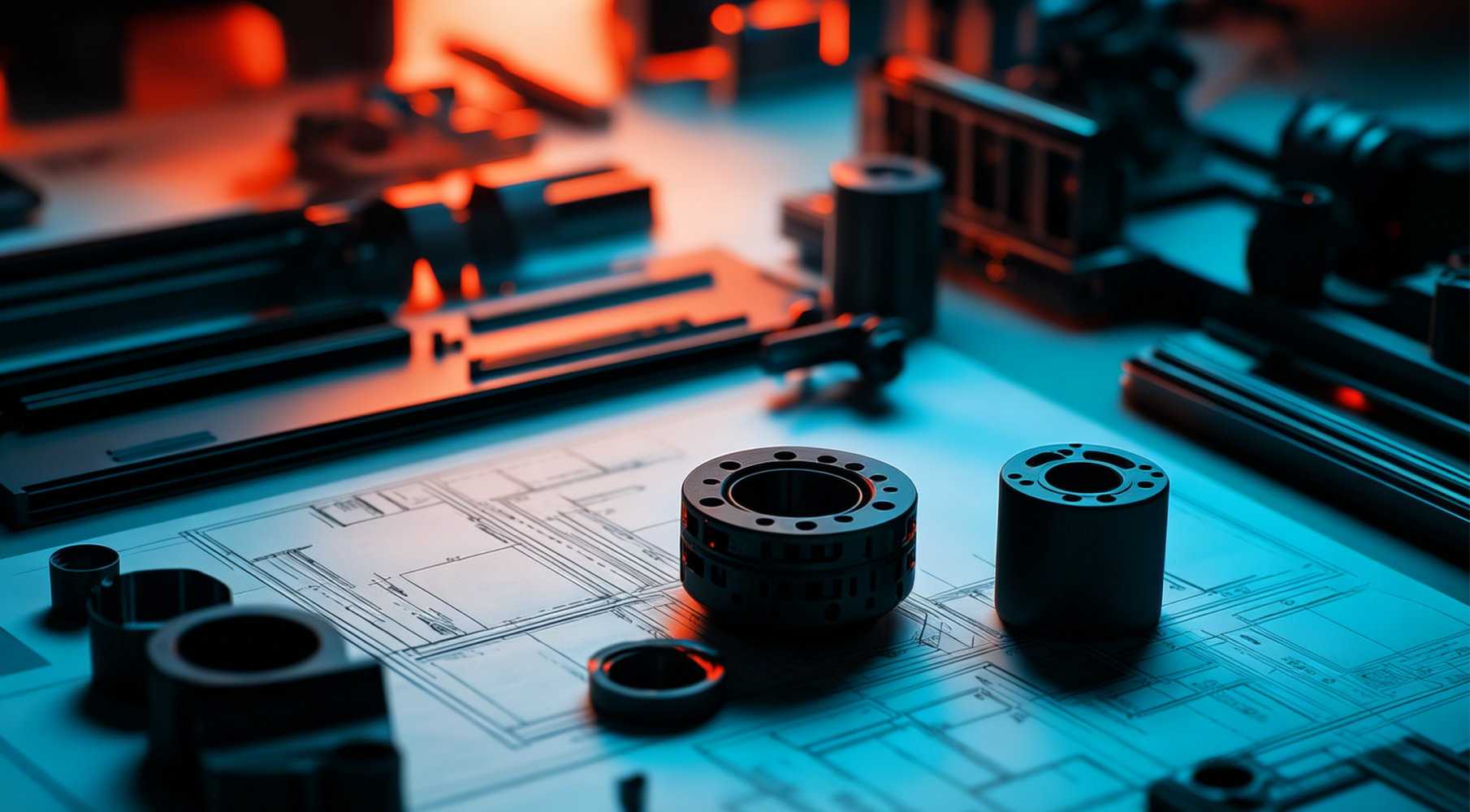
To wrap this up, I suggest evaluating three critical metrics when selecting solutions: first, assess the precision of production; next, consider the adaptability of equipment to future needs; finally, look for compatibility with automation systems. Change isn’t just optional—it’s necessary. In this fast-paced environment, the mantra should be: innovate or be left behind. We have a choice to make, and with the right partners, like Livepoint Tooling, we can steer the future of manufacturing into uncharted territories.